
KMTA District Guide
Dakshina Kannada Tourism
A coastal gateway of enterprise, sacred places, distinctive cuisine and routes toward the Western Ghats.
At a glance
Where Mangaluru’s coastal energy meets deeply rooted local culture.
Dakshina Kannada is one of Karnataka’s principal coastal gateways. Centred on Mangaluru, the district brings together beaches, rivers, places of worship, educational institutions, food traditions and a visitor economy connected by road, rail, sea and air.
Its appeal is not limited to a checklist of landmarks. The district rewards visitors who make time for neighbourhood food, coastal landscapes, sacred architecture, local markets and short journeys inland. It also provides a natural starting point for multi-district routes toward Udupi, Kodagu, Chikkamagaluru and other Malenadu destinations.
Landscape and character
Sea, estuaries and a green transition inland.
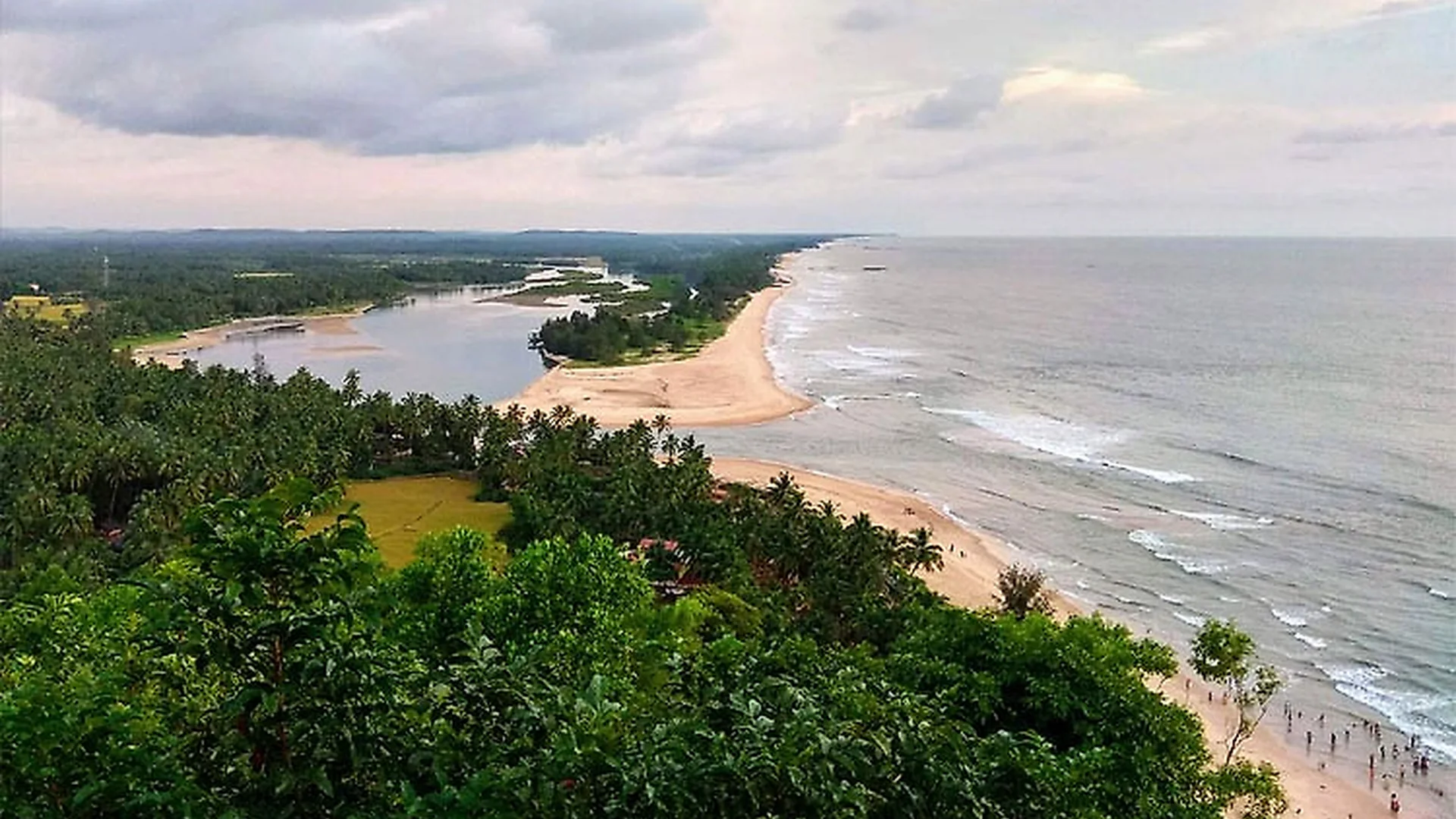
The Arabian Sea defines the western edge of the district, while the Netravati and Gurupura river systems shape the landscape around Mangaluru. Coconut, areca and dense tropical vegetation soften the transition from city to village and from coast toward the foothills.
This varied geography supports beach visits, riverside views, cultural circuits and gateway journeys. Conditions at the sea and rivers can change quickly, so local safety instructions and access restrictions must always take priority over informal advice.
What shapes the visitor experience
Mangaluru works as an arrival point, business centre and culinary destination. Beyond the city, smaller towns and villages reveal sacred landscapes, craft, agriculture and the everyday rhythms that give the coast its character.
Culture and culinary
Living coastal traditions and a food culture with many voices.
Culture
Performance, faith and community life
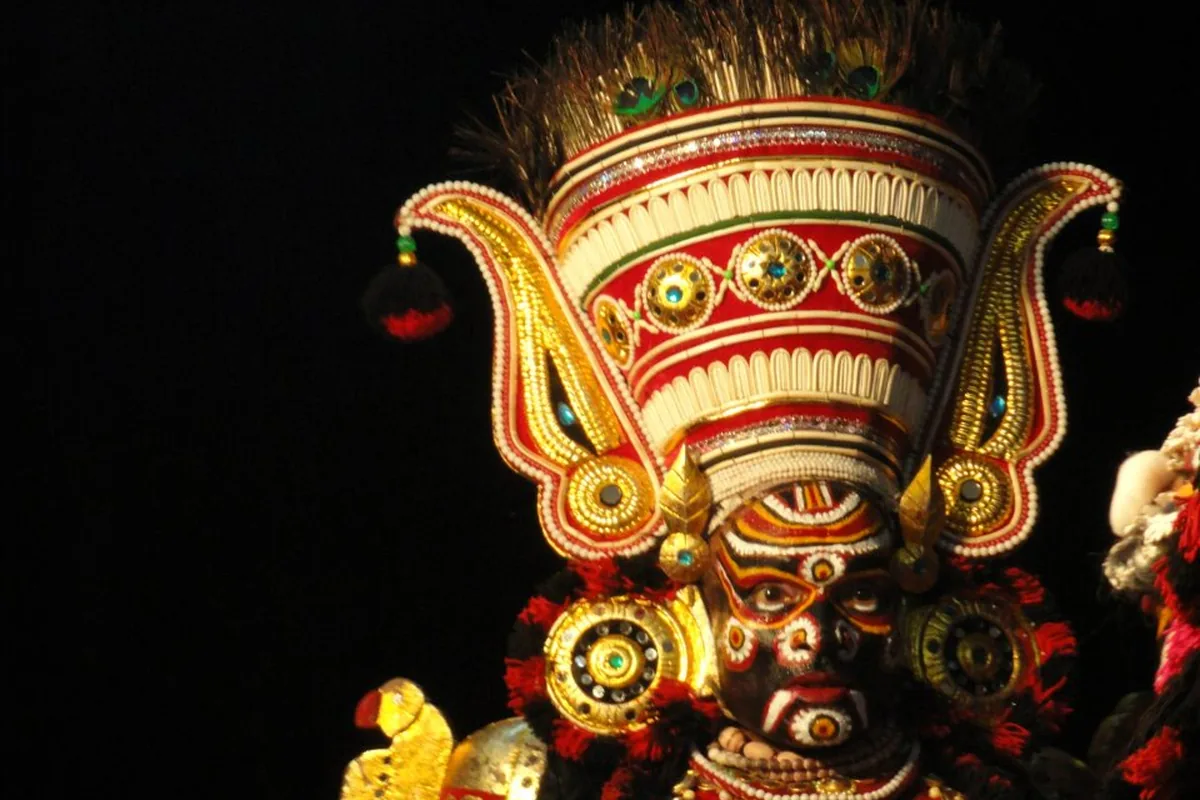
Yakshagana brings music, dance, costume and epic storytelling together in one of the coast’s most recognisable performance traditions. The district’s cultural calendar also reflects its many communities through temple festivals, church feasts, mosque gatherings and local celebrations. In Mangaluru, Moodbidri, Ullal and smaller towns, architecture and ritual are part of everyday life, not simply visitor attractions.
Culinary
Rice, coconut, spice and the day’s catch
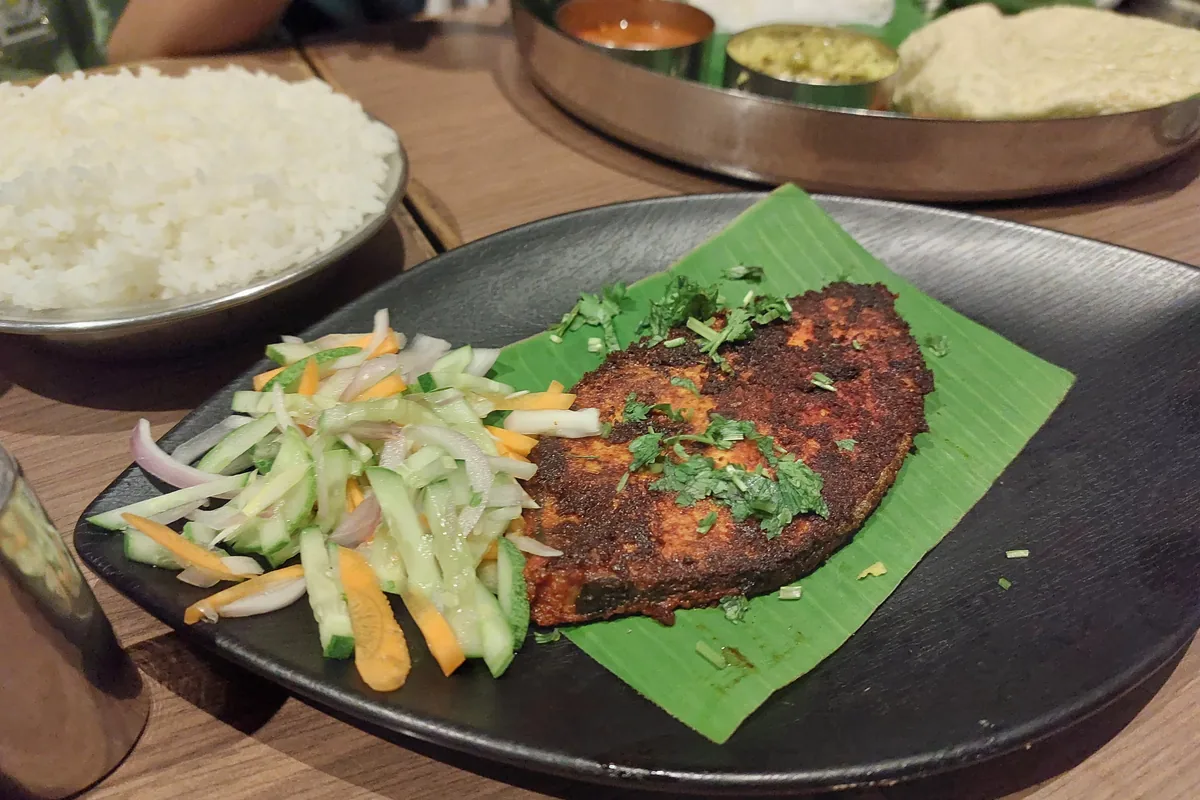
Local tables draw on rice, coconut, tamarind, chillies and seasonal seafood. Neer dosa, goli baje, kori rotti, fish preparations and festive sweets show only part of a much wider culinary range. Visitors can learn more by choosing independent restaurants, asking about community specialities and treating home kitchens, markets and fishing activity with respect.
Representative destinations
Places that introduce Dakshina Kannada.
These are representative starting points, not an exhaustive itinerary. Confirm current access, opening arrangements, safety information and local guidance before travel.
Mangaluru
A coastal city of markets, food, worship, education and transport connections.
Panambur Coast
A well-known urban beach area where visitors should follow current sea-safety guidance.
Pilikula Nisargadhama
A cultural and nature-oriented visitor complex near Mangaluru; check current visitor information.
Moodbidri
Known for Jain heritage, temple architecture and a distinctive historic townscape.
Kateel and River Landscapes
A sacred river setting that reflects the district’s close relationship with water and worship.
Dharmasthala
A major pilgrimage centre where faith, hospitality and community service shape the visitor experience.
St Aloysius Chapel
Known for its richly painted interior and its place in Mangaluru’s educational and cultural history.
Sasihithlu Beach
A quieter coastal landscape near the meeting of river and sea, best visited with current local safety guidance.
Responsible travel
Travel with care.
Coastal safety is non-negotiable. Swim only where permitted, obey lifeguards and site managers, and do not treat breakwaters, rocks or estuaries as risk-free viewpoints. Monsoon conditions can intensify currents and reduce safe access.
In Mangaluru and smaller settlements, help reduce litter, choose local services and respect places of worship. Tourism should complement community life, not interrupt it.
Good visitor practice
- Use authorised local services and follow instructions at every site.
- Carry waste out and avoid single-use plastic where practical.
- Respect community spaces, worship practices and photography expectations.
- Never enter restricted water, forest, cliff or wildlife areas.
- Choose local stays, food, guides and products when possible.
Tourism and hospitality opportunities
Gateway services can connect coast, city and highland journeys.
Dakshina Kannada offers opportunities in accommodation, food, meetings, transport, guided culture, coastal interpretation and multi-district itinerary design.
Stronger coordination can help visitors stay longer rather than pass through. Enterprises can work together on airport-to-region journeys, culinary trails, heritage interpretation, responsible beach experiences and connections toward neighbouring districts.
KMTA can help stakeholders connect across district boundaries, learn from peers and participate in planned regional promotion, knowledge sharing and responsible tourism initiatives. Opportunities will be communicated with clear eligibility and timing when confirmed.
Plan with purpose
Create journeys that connect the coast with local enterprise
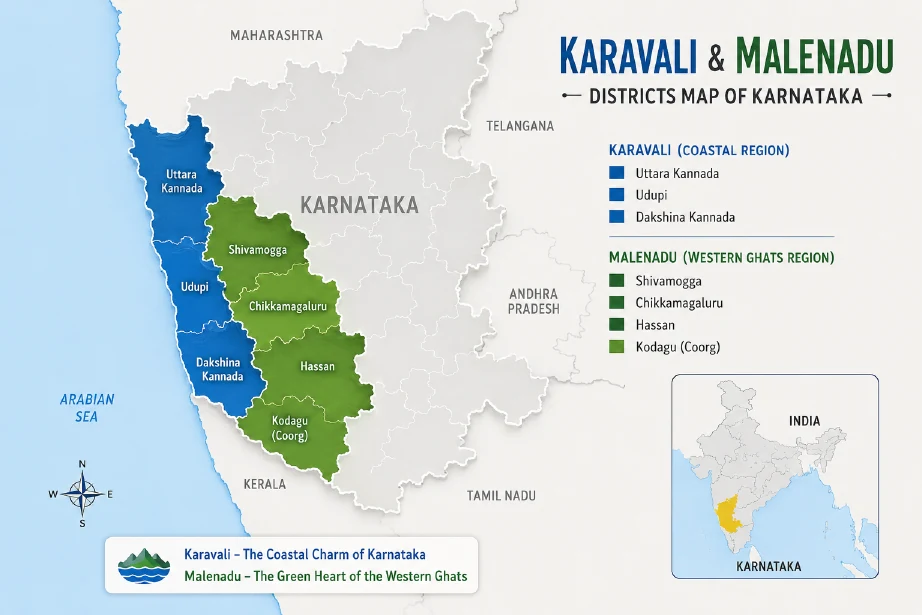
Dakshina Kannada works best as more than a single stop. Visitors may arrive through Mangaluru, but a well-shaped journey can connect the city’s hospitality, food traditions, shoreline, places of worship and nearby rural experiences. Clear route information helps travellers understand realistic distances, choose suitable transport and make time for locally operated experiences instead of rushing through the district.
Tourism businesses can add value by sharing accurate pre-arrival guidance, recommending quieter periods where appropriate and explaining local etiquette in plain language. Hotels, guides, transport providers, restaurants and experience hosts can also collaborate on simple themed itineraries that remain honest about travel time and seasonality.
For local benefit to grow, destination visibility should include smaller enterprises as well as established attractions. Useful maps, multilingual interpretation, professional imagery and consistent visitor information can help guests make confident choices while keeping the district’s everyday life and cultural character at the centre of the story.
Continue exploring
Connect Dakshina Kannada with nearby districts.
Continue north to Udupi, east toward Chikkamagaluru, or south-east to Kodagu.
Represent Dakshina Kannada with KMTA
Connect your tourism enterprise or professional experience to a seven-district regional network.