
KMTA District Guide
Chikkamagaluru Tourism
Coffee country, high peaks, plantation hospitality and Western Ghats journeys.
At a glance
A highland district where agriculture and mountain travel are inseparable.
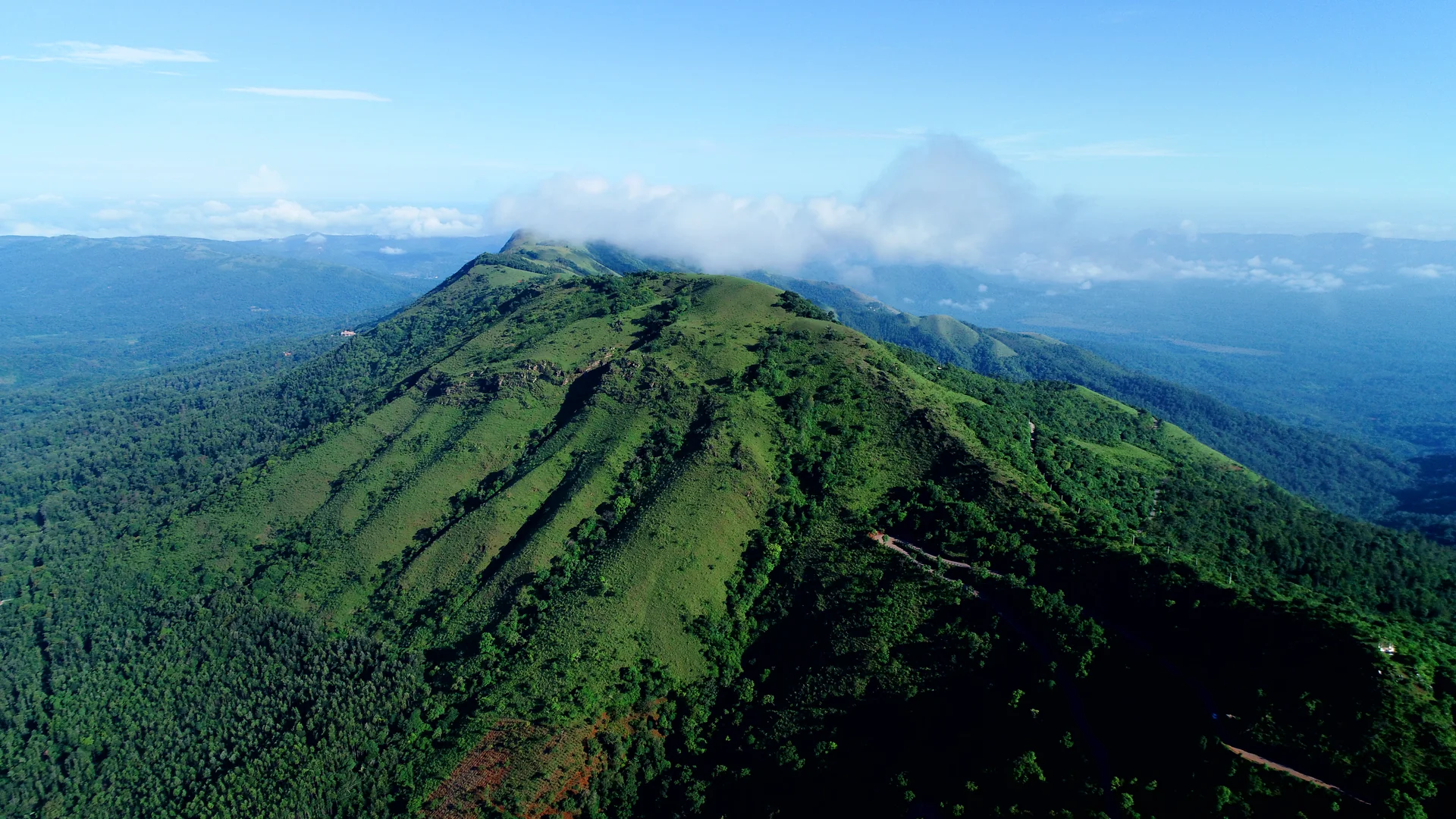
Chikkamagaluru is widely associated with coffee, but its visitor identity also includes the state’s highest peak, forest landscapes, waterfalls, historic temples, wildlife areas and towns linked by winding Ghat roads.
Plantation stays and scenic drives have made the district a popular highland break. The strongest experiences connect landscape with people: growers, workers, guides, cooks, local markets and communities whose knowledge gives meaning to the scenery.
Landscape and character
Peaks, valleys and cultivated slopes.
The district spans mountain terrain around Mullayanagiri and Baba Budangiri, coffee-growing areas, forest edges and river origins. Elevation and rainfall create striking changes in vegetation and visibility across short distances.
Mountain weather can shift rapidly. Visitors should verify access, avoid stopping vehicles in unsafe places, use authorised routes and respect restrictions intended to protect both travellers and sensitive terrain.
What shapes the visitor experience
Coffee landscapes are working agricultural spaces, not open-access parks. Visits should be arranged with the property or an authorised experience provider and should respect workers, crops and private areas.
Culture and culinary
Coffee culture, sacred hills and the flavours of plantation country.
Culture
Estates, harvest rhythms and shared sacred landscapes
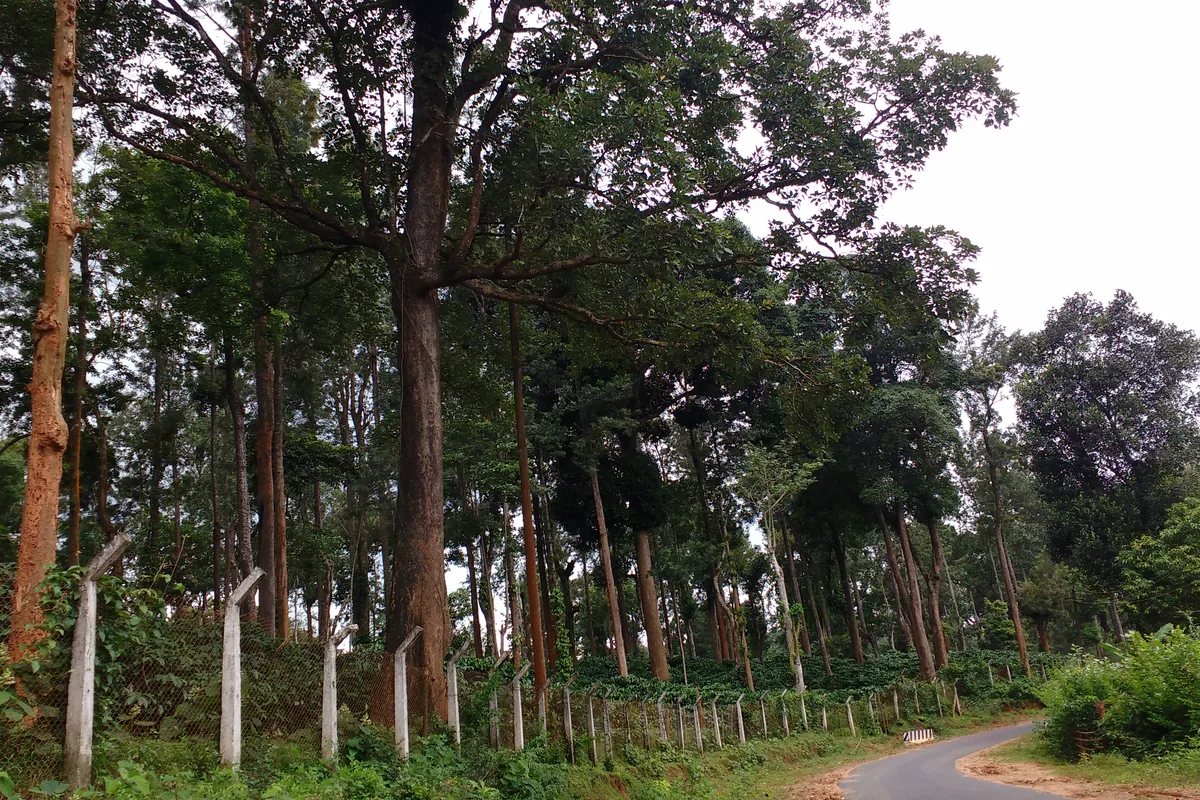
Coffee has shaped work, settlement and hospitality across Chikkamagaluru for generations. Estate visits can introduce shade-grown cultivation, harvesting and processing when they are led responsibly and do not disrupt working farms. Baba Budangiri and other sacred landscapes add another layer of history, while village festivals and rural markets reveal the district beyond its viewpoints.
Culinary
Coffee, rice breads and seasonal estate tables
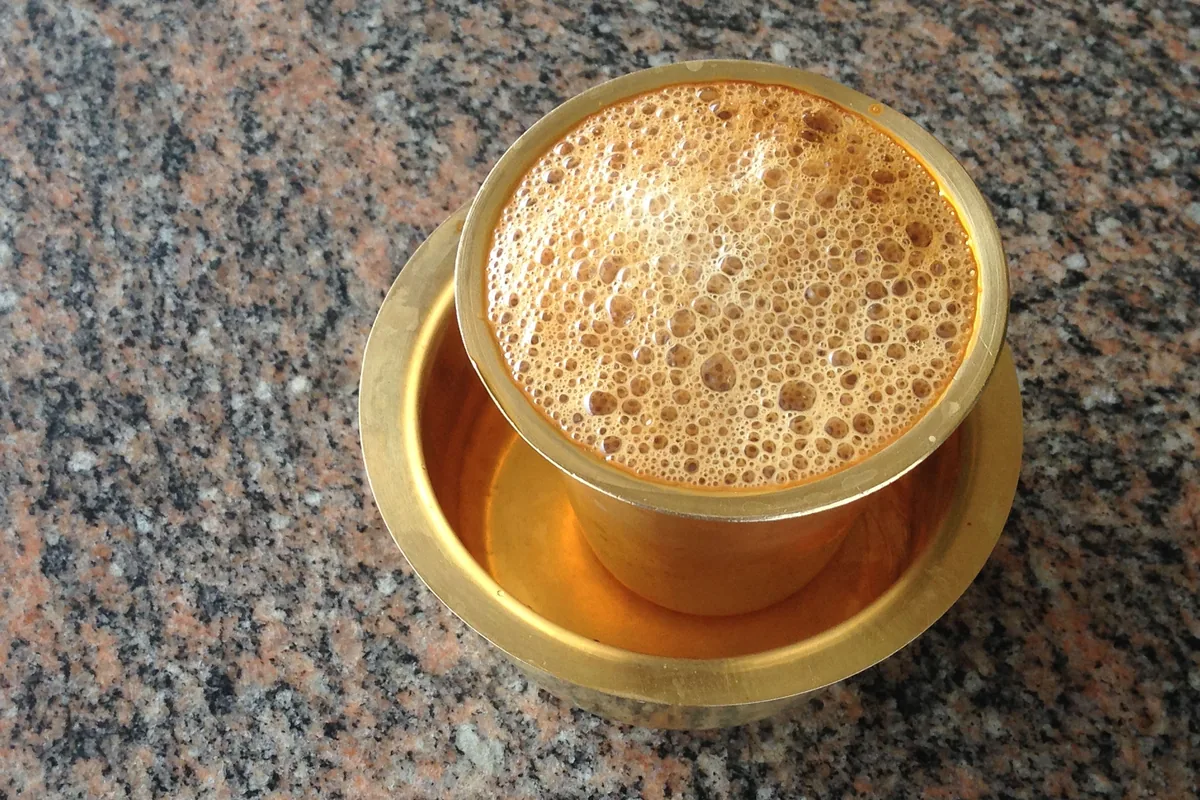
Freshly brewed filter coffee is the district’s best-known taste, but local food extends well beyond the cup. Akki rotti, rice dishes, jackfruit, bamboo shoot preparations, greens and seasonal produce appear in home and estate cooking. Ask hosts what is grown nearby, choose tastings that explain provenance, and remember that a coffee estate is a workplace as well as a visitor experience.
Representative destinations
Places that introduce Chikkamagaluru.
These are representative starting points, not an exhaustive itinerary. Confirm current access, opening arrangements, safety information and local guidance before travel.
Mullayanagiri
Karnataka’s highest peak area; access and parking should be checked before travel.
Baba Budangiri
A mountain and pilgrimage landscape with cultural and coffee-linked significance.
Kemmanagundi
A historic hill-station landscape with gardens, viewpoints and nearby nature attractions.
Belavadi
Known for Hoysala temple architecture and a quieter heritage setting.
Bhadra Landscape
A forest and reservoir region where wildlife and nature visits require authorised arrangements.
Kudremukh
A mountain and forest landscape where access is regulated and visitors must follow current conservation guidance.
Hebbe Falls
A waterfall near Kemmanagundi reached through terrain that requires current local information and suitable transport.
Horanadu
A temple town in a green valley, known for its sacred setting and the hospitality surrounding pilgrimage.
Responsible travel
Travel with care.
Mountain roads and viewpoints can become congested. Do not park outside designated areas, block village access or enter closed trails. Carry waste out and use refillable water where possible.
At plantations, follow host instructions and recognise that the property is a workplace. Wildlife experiences must keep legal distance and never involve feeding or disturbance.
Good visitor practice
- Use authorised local services and follow instructions at every site.
- Carry waste out and avoid single-use plastic where practical.
- Respect community spaces, worship practices and photography expectations.
- Never enter restricted water, forest, cliff or wildlife areas.
- Choose local stays, food, guides and products when possible.
Tourism and hospitality opportunities
Coffee storytelling can lead to richer, year-round experiences.
There is potential in coffee interpretation, culinary travel, guided heritage, nature education, wellness, small meetings and longer circuits linking highland clusters.
Stakeholders can collaborate on accurate farm-to-cup experiences, route planning, local-product retail and responsible visitor guidance that reduces pressure on a few famous viewpoints.
KMTA can help stakeholders connect across district boundaries, learn from peers and participate in planned regional promotion, knowledge sharing and responsible tourism initiatives. Opportunities will be communicated with clear eligibility and timing when confirmed.
Plan with purpose
Turn scenic interest into a thoughtful coffee-country stay
Chikkamagaluru is often introduced through mountain views and coffee, but the visitor journey becomes richer when these themes are connected to people, work and place. An itinerary can combine a landscape experience with plantation interpretation, town-based cuisine and locally guided learning. Every activity should state clearly what is included, how demanding it is and whether advance permission is needed.
Because popular viewpoints can concentrate traffic, tourism businesses can help guests plan around capacity and conditions. Flexible timing, shared transport where practical and alternative experiences can reduce pressure while giving smaller enterprises greater visibility. Hosts should use current local information rather than repeating generic seasonal advice.
Good interpretation can explain how cultivation, rainfall, terrain and communities have shaped the district without turning working landscapes into a backdrop. Visitors who understand this context are more likely to respect boundaries, purchase locally and value the knowledge behind an experience. That combination of clarity and care can support longer stays and stronger professional standards.
KMTA can help participating enterprises compare visitor information, improve route connections and identify gaps in interpretation. Shared learning does not require every business to look the same; it creates a dependable regional standard while preserving the personality of individual stays, guides and producers.
This approach also makes seasonal communication clearer and gives repeat visitors new reasons to explore the district at a measured pace with locally informed support.
Continue exploring
Connect Chikkamagaluru with nearby districts.
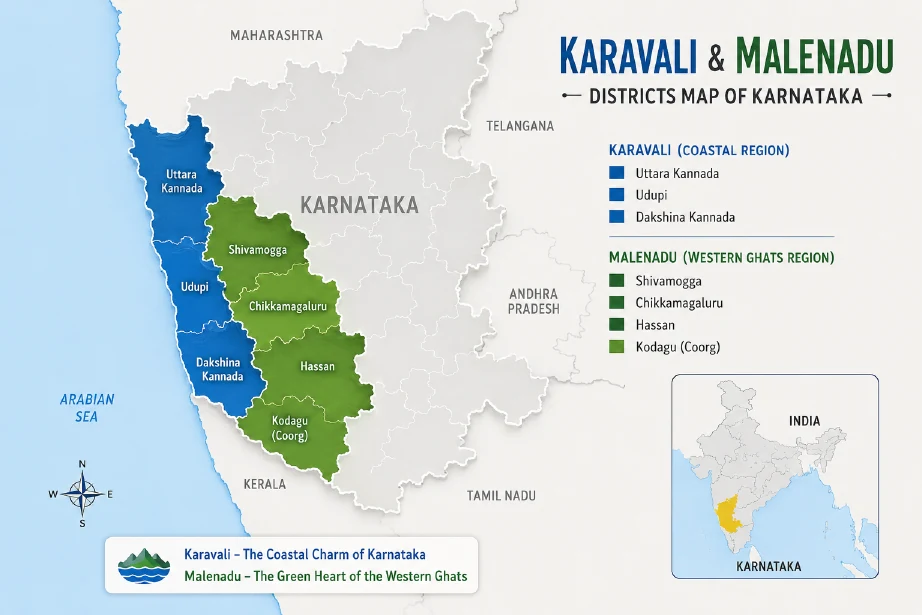
Continue north to Shivamogga, east toward Hassan, or south to Kodagu.
Represent Chikkamagaluru with KMTA
Connect your tourism enterprise or professional experience to a seven-district regional network.