
KMTA District Guide
Shivamogga Tourism
Waterfalls, forest-fed rivers, heritage and the deep green heart of Malenadu.
At a glance
A river-and-forest district at the centre of highland journeys.
Shivamogga district is closely associated with Malenadu landscapes: heavy green cover, river systems, waterfalls, reservoirs, historic places and routes through the Western Ghats. Shivamogga city provides an urban base for journeys toward Sagara, Thirthahalli, Agumbe, Hosanagara and other clusters.
The district’s most recognised natural sights sit within wider living landscapes. Villages, farms, sacred places and small towns are part of the experience, and longer stays make it easier to distribute visitor benefit beyond a single viewpoint.
Landscape and character
Rivers gather force across a rain-rich highland landscape.
The district is shaped by the Tunga, Bhadra and Sharavathi river systems and by forested terrain that supports waterfalls, reservoirs and rich biodiversity. Roads can move quickly from open farmland to misted hill routes.
Waterfall appearance and access conditions vary, especially with rainfall and maintenance. Visitors must follow barriers, official viewing areas and local instructions rather than seeking unsafe vantage points.
What shapes the visitor experience
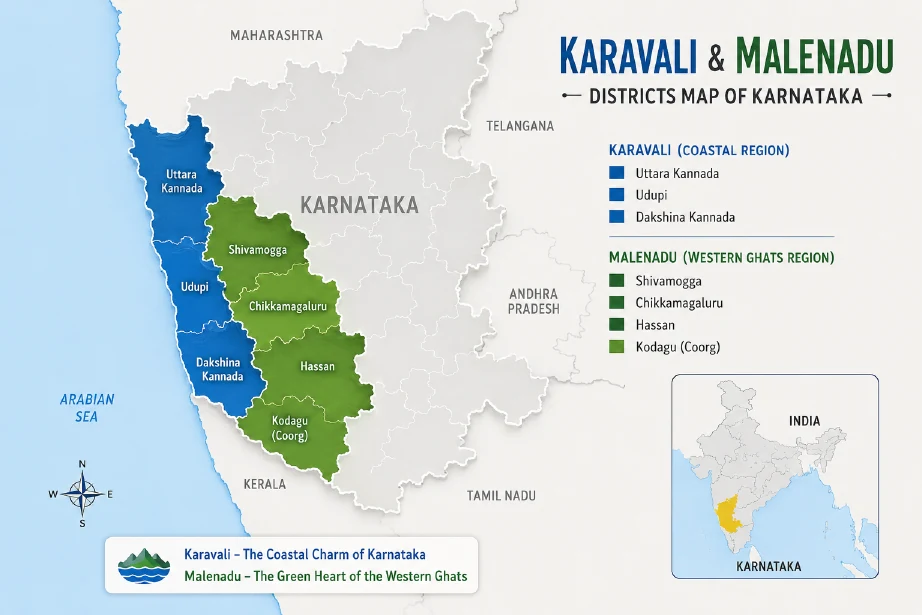
Shivamogga connects naturally with the coast through Ghat routes and with Chikkamagaluru through river, forest and coffee-country journeys. This makes it important for multi-district itineraries.
Culture and culinary
Malenadu performance, historic towns and generous home cooking.
Culture
Theatre, scholarship and Keladi heritage
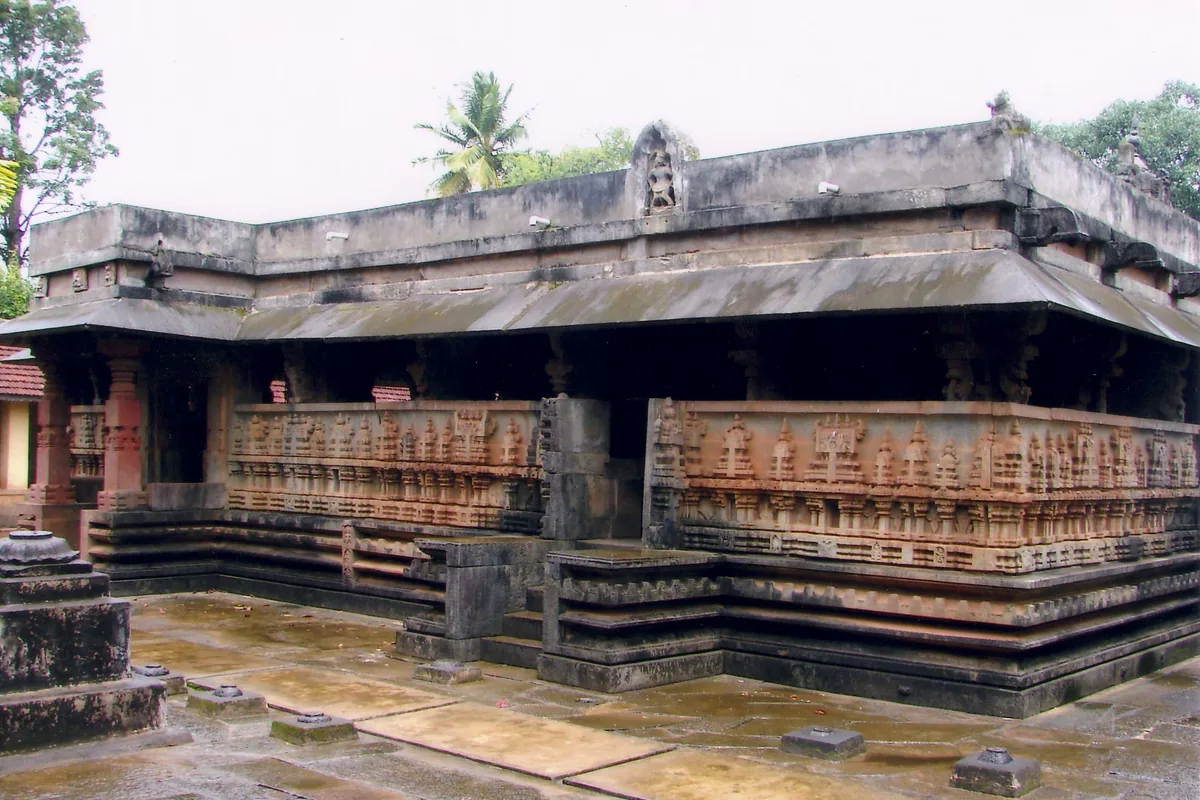
Shivamogga’s culture is expressed through historic centres such as Keladi and Ikkeri, village traditions and contemporary institutions. NINASAM at Heggodu has helped make theatre and cultural education part of the district’s wider identity, while Mattur is known for its scholarly traditions. Temple towns and rural festivals should be experienced with patience and respect for local practice.

Culinary
Rice, greens and seasonal Malenadu flavours
The district’s kitchens reflect a landscape of paddy, arecanut, coconut, forest edges and heavy monsoon rainfall. Rice dishes, akki rotti, vegetable preparations, chutneys and pickles are common reference points. Appe Midi mango pickle is especially associated with Malenadu food traditions. Menus change by household and season, which makes small local establishments valuable places to discover regional cooking.
Representative destinations
Places that introduce Shivamogga.
These are representative starting points, not an exhaustive itinerary. Confirm current access, opening arrangements, safety information and local guidance before travel.
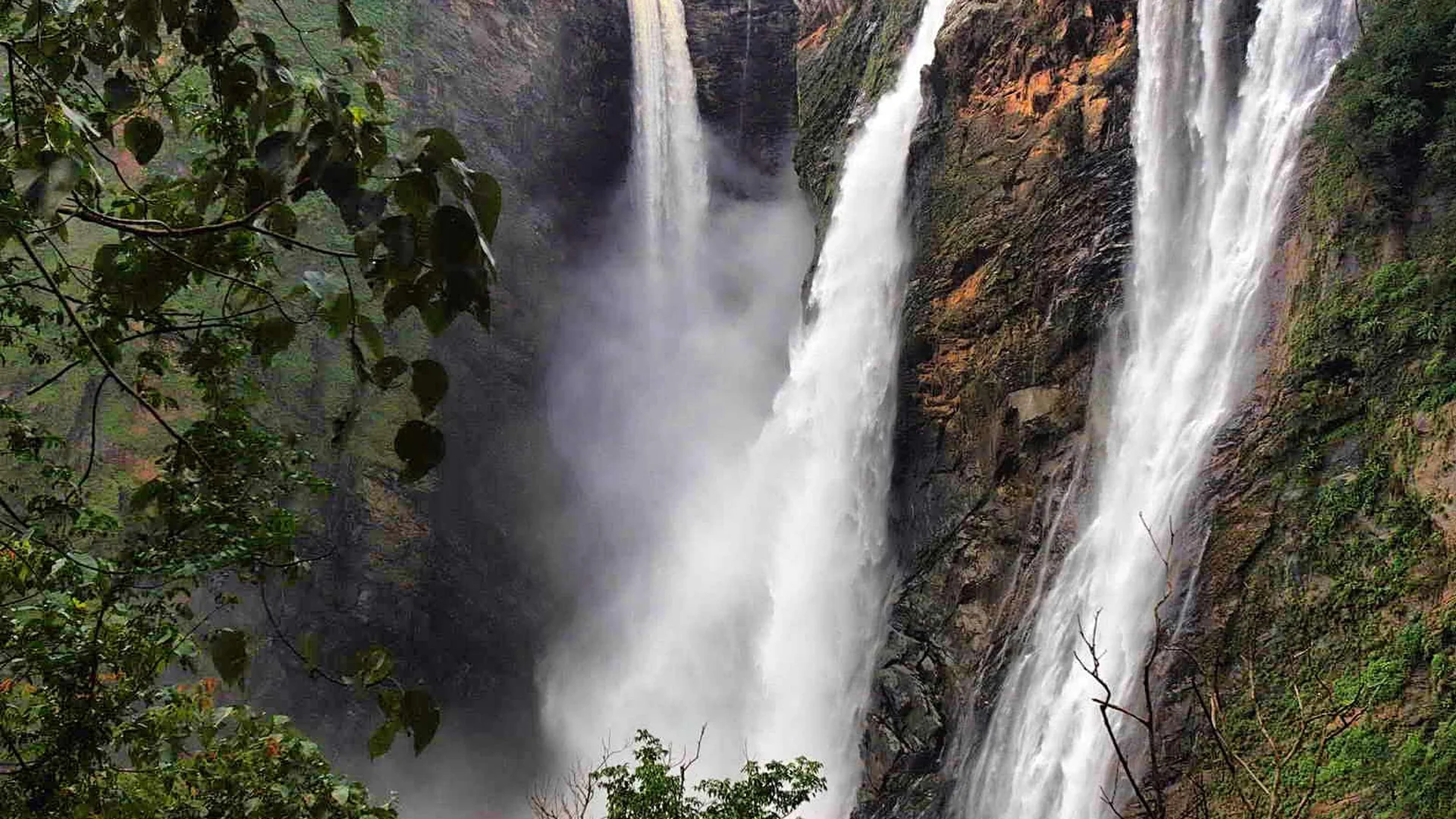
Jog Falls
A major waterfall viewpoint on the Sharavathi; appearance and access depend on current conditions.
Agumbe
A high-rainfall Ghat settlement and landscape where forest and road safety guidance matter.
Kodachadri
A mountain destination requiring current access checks and responsible, authorised travel.
Keladi and Ikkeri
Historic sites that introduce the district’s architectural and political heritage.
Honnemaradu and Sharavathi Landscapes
Reservoir and river scenery best experienced through current authorised services.
Sakrebyle Elephant Camp
A forest-edge visitor experience near Shivamogga where animal welfare and official guidance must come first.
Mattur
A riverside village known for scholarship and a distinctive cultural setting.
Barkana Falls
A highland waterfall near Agumbe whose viewpoints and approaches depend on weather and current access.
Responsible travel
Travel with care.
Waterfalls, forest roads and mountain routes demand caution. Stay behind barriers, avoid restricted trails, do not disturb wildlife and never depend on social-media directions where official guidance differs.
Use local guides where appropriate, keep groups small in sensitive areas and plan realistic travel times. Supporting stays and meals outside the principal viewpoint helps widen local benefit.
Good visitor practice
- Use authorised local services and follow instructions at every site.
- Carry waste out and avoid single-use plastic where practical.
- Respect community spaces, worship practices and photography expectations.
- Never enter restricted water, forest, cliff or wildlife areas.
- Choose local stays, food, guides and products when possible.
Tourism and hospitality opportunities
Nature interpretation can convert day trips into meaningful stays.
Shivamogga offers opportunity in guided landscape experiences, heritage circuits, bird and biodiversity interpretation, local food, small-group travel and connected coast-to-Ghats itineraries.
Professional collaboration can raise safety standards, strengthen accurate storytelling and help visitors combine Jog Falls or Agumbe with quieter cultural and rural experiences.
KMTA can help stakeholders connect across district boundaries, learn from peers and participate in planned regional promotion, knowledge sharing and responsible tourism initiatives. Opportunities will be communicated with clear eligibility and timing when confirmed.
Plan with purpose
Build a Malenadu itinerary around seasons and local guidance
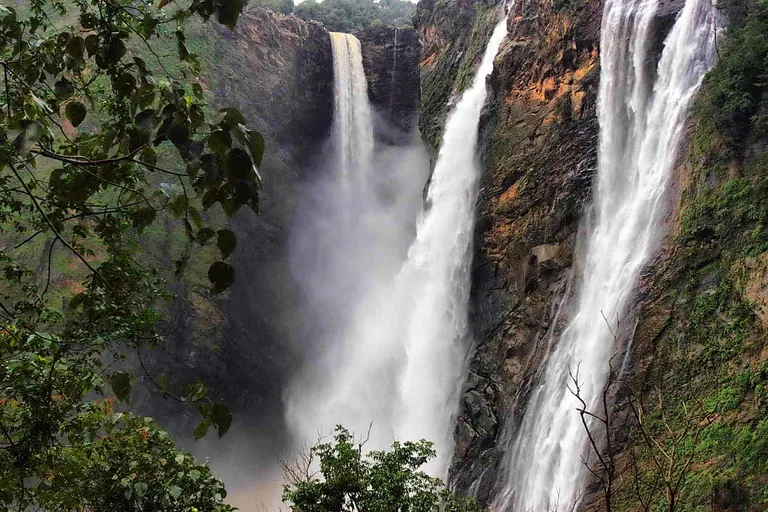
Shivamogga’s water, forest and agricultural landscapes reward travellers who allow time for changing conditions. Rainfall, river levels and road access can affect what is comfortable or appropriate on a particular day. Businesses should avoid fixed promises when nature is variable and provide current guidance through local hosts, trained guides and official notices.
A strong itinerary can combine one major landscape experience with town-based food, heritage interpretation and smaller community-led activities. This approach supports a wider visitor economy and gives guests alternatives when an outdoor plan must change. It also reduces the temptation to treat waterfalls and viewpoints as brief photo stops without context.
Tourism communication should explain safety and stewardship together. Visitors need to know where access is permitted, how to manage waste, why barriers matter and when professional assistance is sensible. Consistent advice from accommodation providers, drivers and experience hosts creates confidence while helping the district retain the qualities that make a Malenadu journey distinctive.
Well-prepared visitors also make better partners for local enterprises. Booking messages can set expectations about footwear, timing, noise, photography and cancellation when conditions are unsuitable. Small operational details protect guests and allow hosts to deliver experiences with greater consistency.
Continue exploring
Connect Shivamogga with nearby districts.
Continue west toward Udupi and Uttara Kannada, or south toward Chikkamagaluru.
Represent Shivamogga with KMTA
Connect your tourism enterprise or professional experience to a seven-district regional network.