KMTA District Guide
Uttara Kannada Tourism
A dramatic district where long beaches, sacred towns, rivers and forested interiors meet.
At a glance
One of the clearest coast-to-forest transitions in the KMTA region.
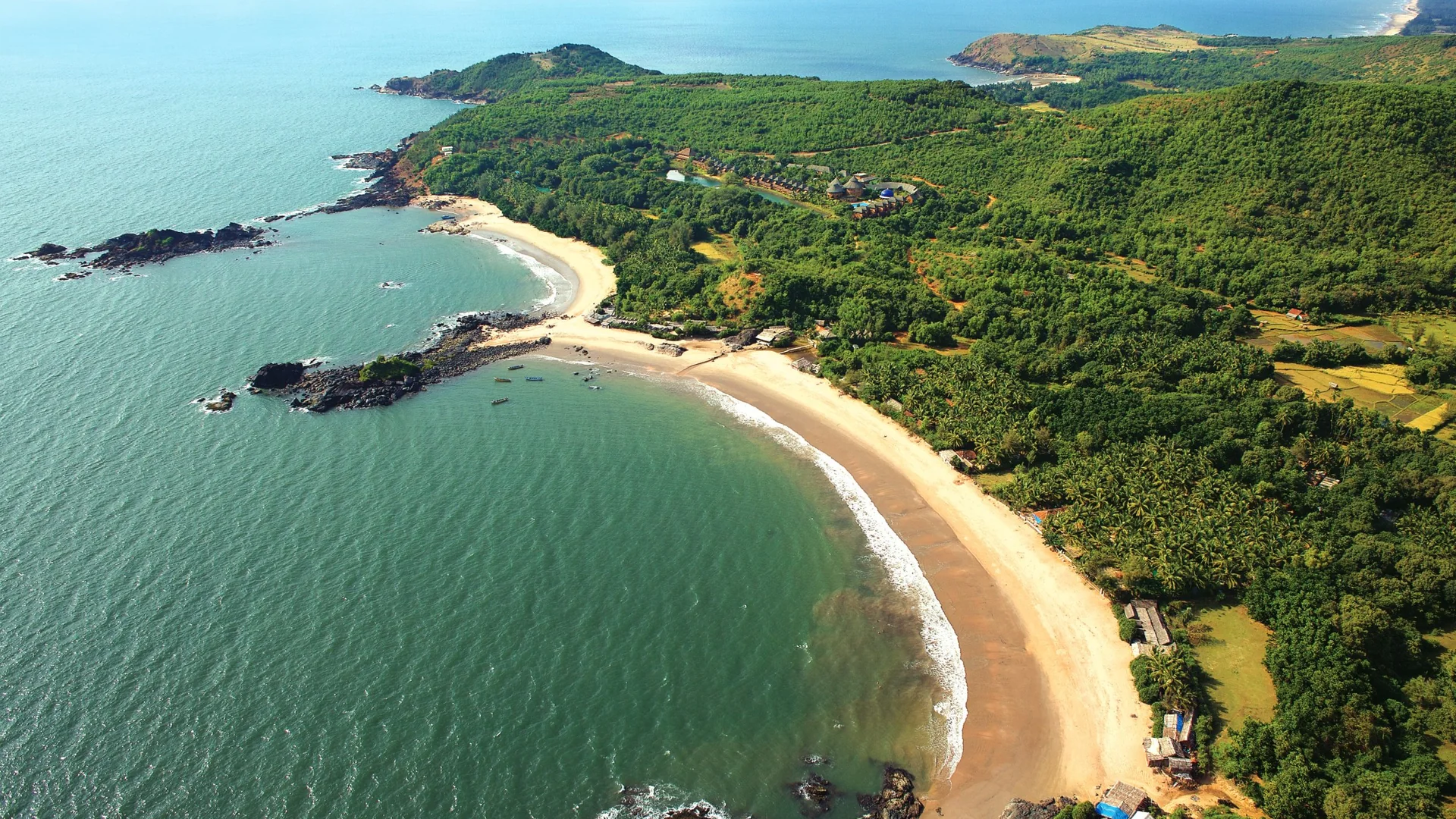
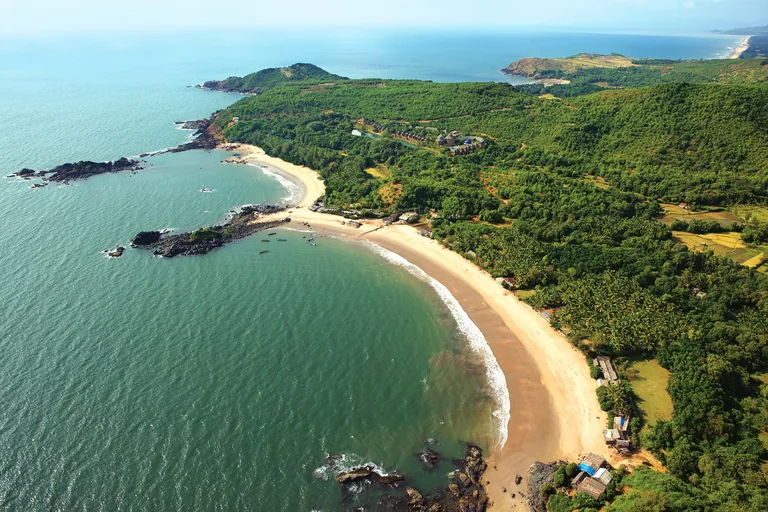
Uttara Kannada stretches across a long Arabian Sea coastline and a vast green interior shaped by the Western Ghats. Karwar, Gokarna, Ankola, Kumta, Honnavar, Bhatkal, Dandeli and Sirsi each reveal a different relationship between water, forest, worship and local enterprise.
The district supports coastal breaks, pilgrimage, nature-based journeys, river activities and heritage experiences. Its scale makes realistic route planning important; trying to compress distant places into a single day can reduce both safety and enjoyment.
Landscape and character
Beaches, estuaries, limestone, rivers and dense forest.
The coastline includes broad bays, headlands and working ports, while rivers such as the Kali connect the Ghats to the sea. Inland landscapes include forest routes, rock formations and agricultural settlements.
Nature conditions vary across the district. River activities, forest visits, trails and coastal access should be arranged through authorised providers and checked against current local or official guidance.
What shapes the visitor experience
Uttara Kannada is best understood as several clusters rather than one quick circuit: Karwar and the Kali landscape, Gokarna and Kumta, Honnavar and Murudeshwar, and inland Sirsi–Yana routes.
Culture and culinary
Sacred coasts, forest communities and kitchens shaped by land and sea.
Culture
Folk traditions across coast and forest
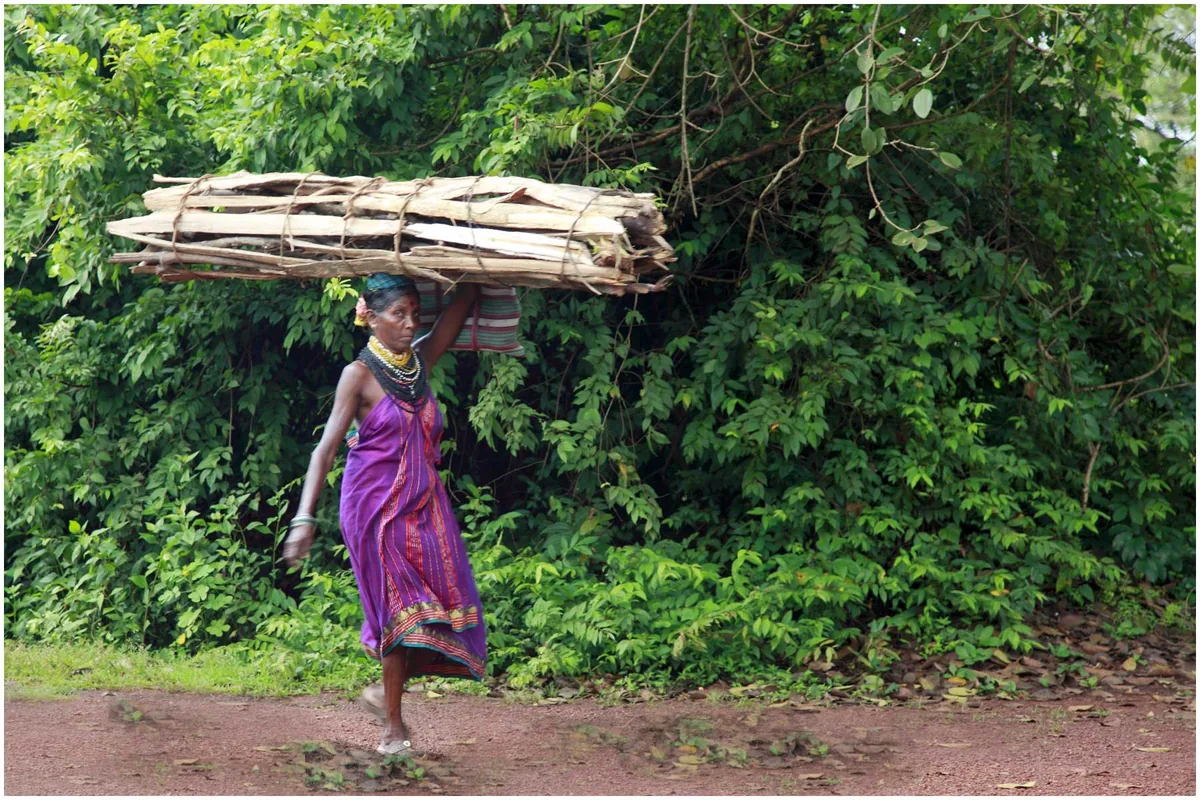
Uttara Kannada’s cultural landscape extends from the pilgrimage town of Gokarna to forest communities around the Kali and Sharavathi systems. Halakki Vokkaliga traditions, Suggi Kunitha, local fairs, oral storytelling and sacred sites contribute distinct identities across the district. Visitors should seek community-led interpretation and avoid treating living traditions as staged curiosities.
Culinary
Coastal produce and seasonal home cooking
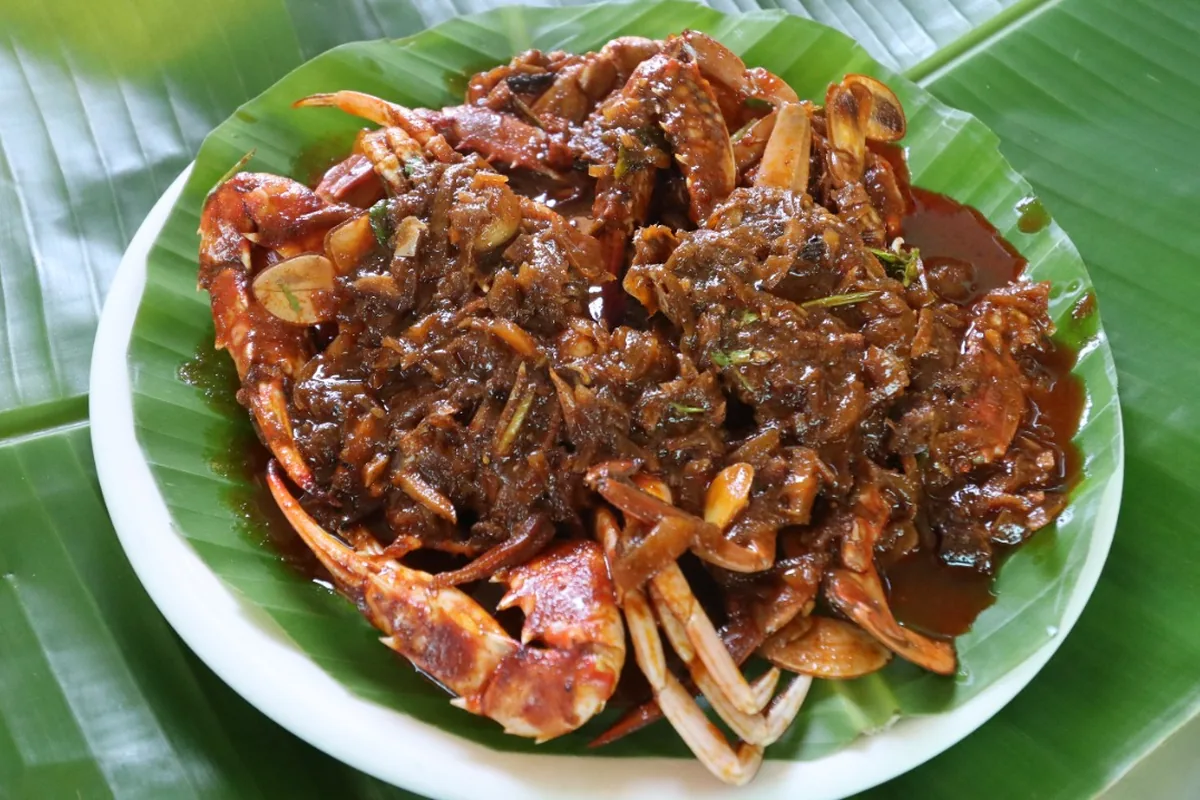
In Karwar and other coastal settlements, rice, coconut, seasonal vegetables and seafood form an important part of local cooking. Inland, forest produce and agricultural rhythms influence home-style meals and snacks. The district does not have one single menu, so the most rewarding approach is to ask what is local to the town, season and community, and to choose responsibly sourced seafood.
Representative destinations
Places that introduce Uttara Kannada.
These are representative starting points, not an exhaustive itinerary. Confirm current access, opening arrangements, safety information and local guidance before travel.
Karwar
A coastal city set between the Arabian Sea, islands, river and forested hills.
Gokarna
A sacred town with nearby beaches; worship areas and coastal spaces require different visitor conduct.
Dandeli and Kali River
A nature and activity cluster where authorised operators and current safety guidance are essential.
Yana
Distinctive rock formations reached through a forest setting; confirm access and trail conditions.
Murudeshwar
A prominent coastal pilgrimage and visitor stop connected to the wider Bhatkal landscape.
Devbagh and Karwar Islands
Coastal and island scenery near Karwar, with access and activities best arranged through authorised operators.
Unchalli Falls
A dramatic waterfall landscape reached through the Sirsi region; confirm current trail and safety conditions.
Apsarakonda
A coastal viewpoint and waterfall area near Honnavar where visitors should respect local access guidance.
Responsible travel
Travel with care.
Do not enter forest areas, water bodies or adventure activities without authorised guidance. Use certified equipment, disclose relevant health concerns and accept changes made for weather or river safety.
At beaches and sacred towns, reduce noise, waste and intrusive photography. Slow itineraries reduce road pressure and allow spending to reach more local businesses.
Good visitor practice
- Use authorised local services and follow instructions at every site.
- Carry waste out and avoid single-use plastic where practical.
- Respect community spaces, worship practices and photography expectations.
- Never enter restricted water, forest, cliff or wildlife areas.
- Choose local stays, food, guides and products when possible.
Tourism and hospitality opportunities
Longer stays can connect coast, pilgrimage and nature.
The district has strong potential for cluster-based itineraries, trained guiding, responsible adventure, coastal hospitality, river interpretation, nature education and local food experiences.
Collaboration among operators can improve route realism, safety communication and referrals between distant parts of the district while building links with Udupi and Shivamogga.
KMTA can help stakeholders connect across district boundaries, learn from peers and participate in planned regional promotion, knowledge sharing and responsible tourism initiatives. Opportunities will be communicated with clear eligibility and timing when confirmed.
Plan with purpose
Plan for distance, variety and slower discovery
Uttara Kannada’s scale is part of its appeal. Coast, rivers, forested interiors, towns and heritage settings are spread across a large district, so itinerary design should begin with realistic travel times. A smaller number of well-matched stops will usually create a better journey than an ambitious route that leaves little room for weather, rest or meaningful local interaction.
Visitors benefit from clear guidance about road conditions, activity suitability, local rules and the difference between public viewpoints and sensitive natural areas. Accommodation providers and guides can coordinate updates so that advice remains consistent. This is especially important when outdoor conditions change or when an experience depends on trained local support.
The district’s tourism story should also show how coast and interior relate to one another. Food, farming, fishing, transport and settlement patterns help explain the landscape beyond scenic images. Thoughtful interpretation can direct attention toward local enterprise, encourage longer stays and help visitors appreciate why responsible behaviour is essential across such varied environments.
For regional promotion, this variety is a strength when presented with restraint. A multi-day route can invite visitors to spend in more than one town, use local guides and understand the changing character of the district instead of treating it as a single coastal image.
Continue exploring
Connect Uttara Kannada with nearby districts.
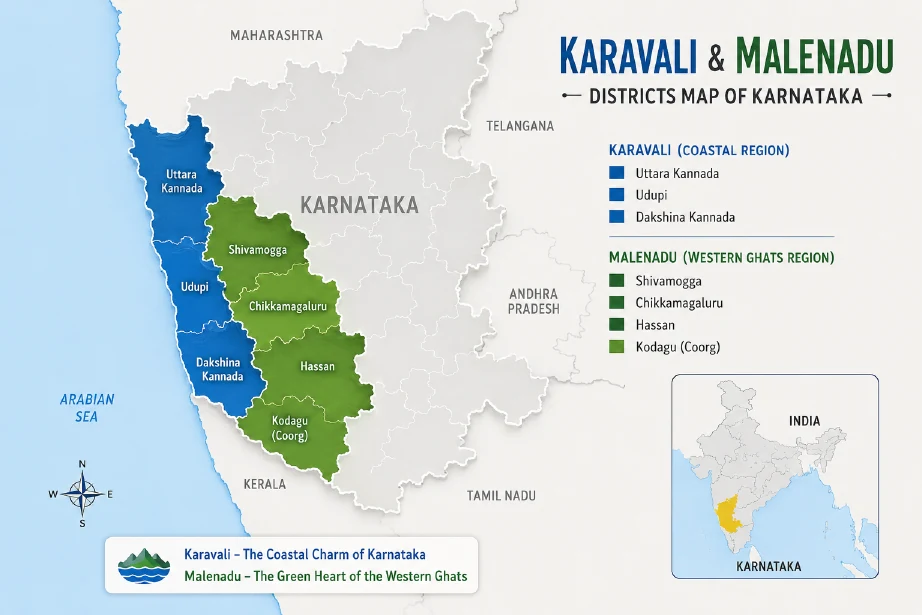
Continue south to Udupi or follow inland routes toward Shivamogga.
Represent Uttara Kannada with KMTA
Connect your tourism enterprise or professional experience to a seven-district regional network.