
KMTA District Guide
Kodagu Tourism
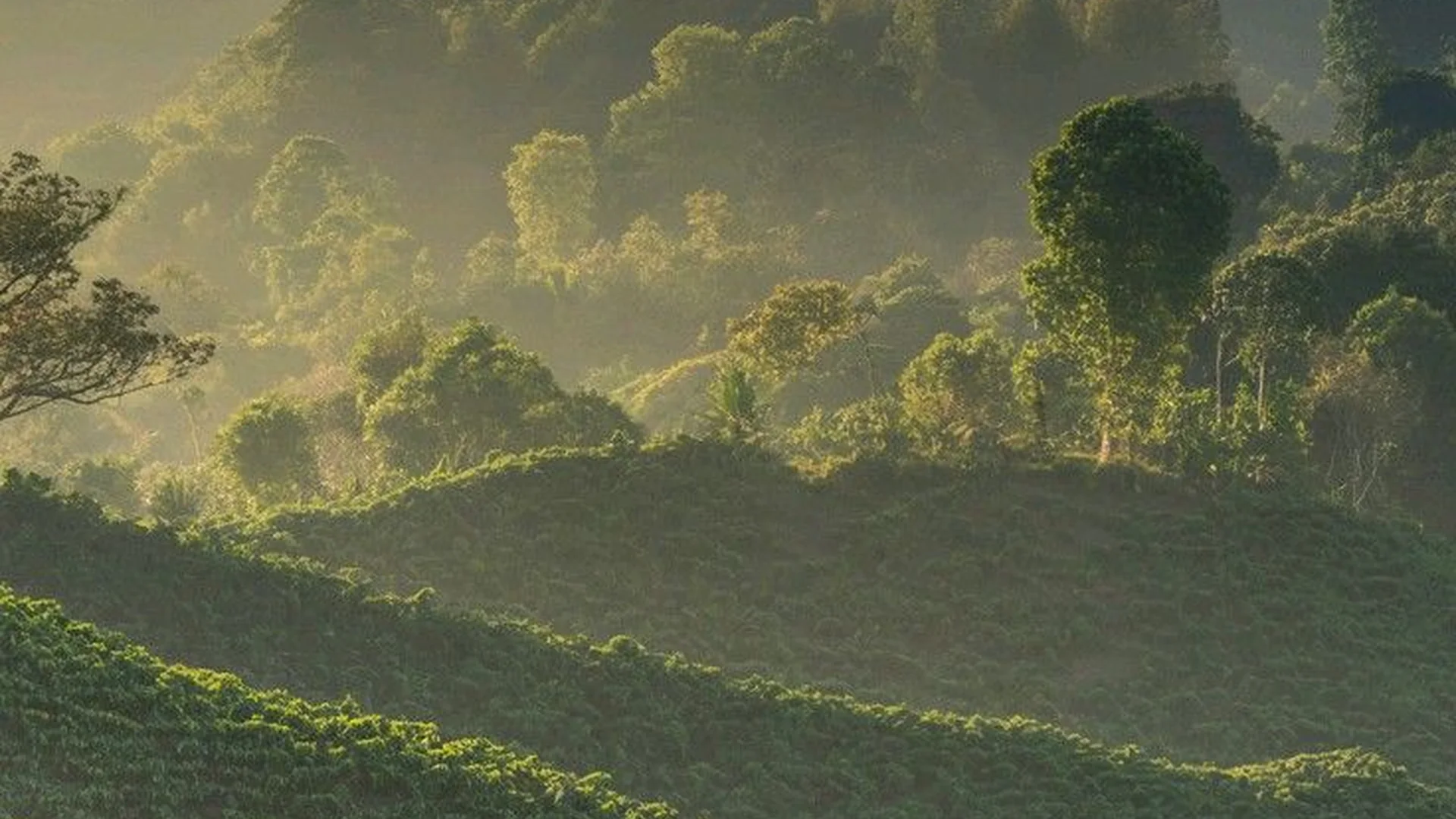
Misty hills, coffee estates, river landscapes and a distinctive culture of hospitality.
At a glance
A celebrated highland destination with strong local identity.
Kodagu is known for coffee estates, forested hills, the Cauvery river landscape, waterfalls and the town of Madikeri. Its popularity as a short break is matched by a deep cultural identity, agricultural economy and network of homestays and resorts.
The district is best experienced beyond a viewpoint checklist. Estate walks, food, local history, guided nature, small towns and conversations with hosts can reveal how tourism fits within a working landscape.
Landscape and character
Rolling coffee country framed by the Western Ghats.
Kodagu’s terrain includes plantations, forest edges, river valleys, grassland views and high rainfall zones. The Cauvery has its source at Talacauvery, a sacred place within the Brahmagiri landscape.
Road conditions and visibility can change with weather. Waterfalls, rivers and forest-edge areas require caution, and visitors should use designated access rather than informal shortcuts.
What shapes the visitor experience
Coffee estates are both landscapes and businesses. Responsible visits are arranged, guided and timed to respect work, privacy, wildlife movement and crop conditions.
Culture and culinary
Kodava identity, plantation life and one of Karnataka’s most distinctive tables.

Culture
Dress, music, festivals and family traditions
Kodagu’s identity is shaped by Kodava customs, distinctive dress, music, dance, family traditions and festivals connected to agriculture and the land. Plantation life and the district’s many communities add further layers to its cultural story. Cultural experiences are most meaningful when they are hosted with consent, explained by local people and presented without turning private customs into spectacle.
Culinary
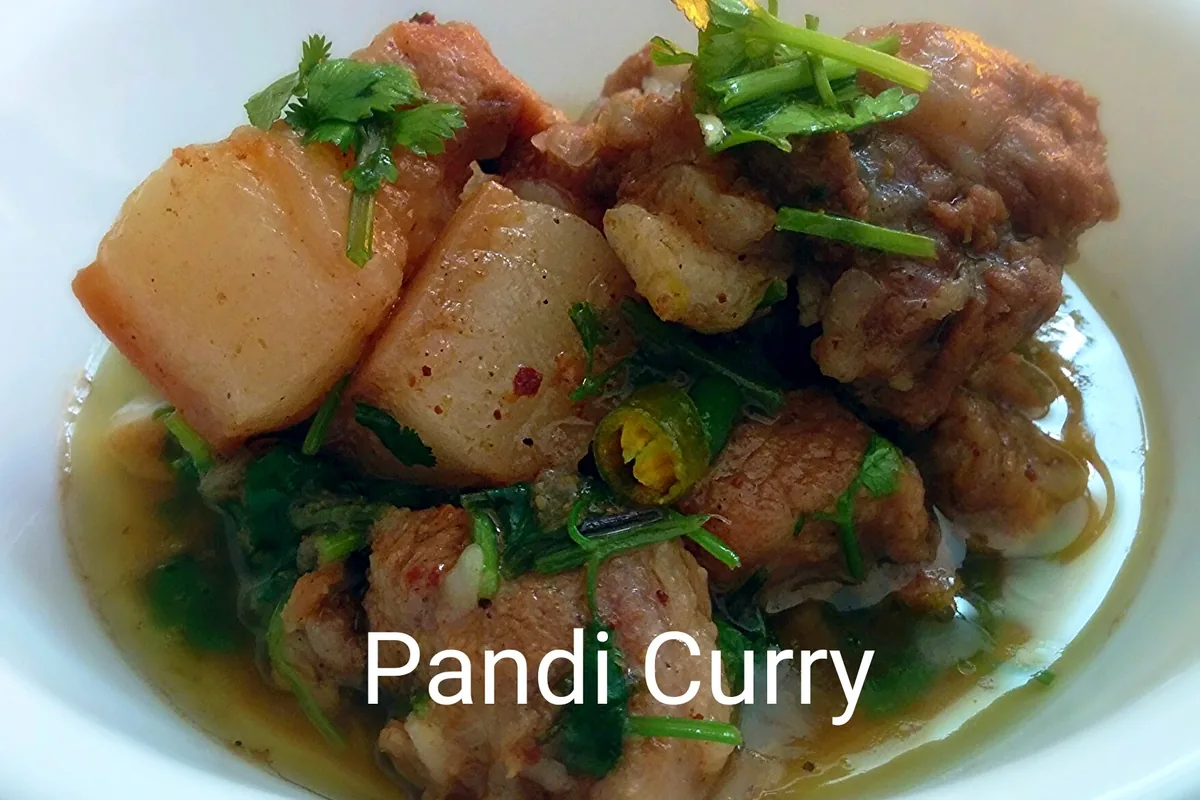
Pandi curry, rice preparations and local coffee
Kodagu cuisine is known for robust flavours and close links to local produce. Pandi curry is widely recognised, while kadambuttu, akki rotti, bamboo shoot curry and seasonal preparations provide important context. Vegetarian and community-specific cooking add further range. Local coffee completes the table, especially when visitors can learn where it was grown and how it was processed.
Representative destinations
Places that introduce Kodagu.
These are representative starting points, not an exhaustive itinerary. Confirm current access, opening arrangements, safety information and local guidance before travel.
Madikeri
The district headquarters and a base for viewpoints, heritage and surrounding journeys.
Raja’s Seat
A well-known viewpoint in Madikeri; visit respectfully and follow current site arrangements.
Abbey Falls
A popular waterfall reached through a managed visitor route; remain within designated areas.
Talacauvery and Bhagamandala
Sacred Cauvery-linked destinations in the Brahmagiri landscape.
Dubare Landscape
A Cauvery riverside area where current authorised activities and wildlife guidance must be followed.
Nagarhole Landscape
A major wildlife landscape shared with Mysuru district where safaris and access must follow official rules.
Iruppu Falls
A waterfall and pilgrimage setting in southern Kodagu, best visited with current weather and access information.
Mandalpatti
A highland viewpoint near Madikeri reached through regulated local transport and weather-dependent routes.
Responsible travel
Travel with care.
Do not enter plantations without permission or venture into restricted forest areas. At rivers and waterfalls, stay within barriers and follow local instructions regardless of crowd behaviour.
Reduce traffic and noise around residential and estate areas, choose licensed stays and service providers, and support local food, guides and products. Sacred sites require quiet, dress awareness and respectful photography.
Good visitor practice
- Use authorised local services and follow instructions at every site.
- Carry waste out and avoid single-use plastic where practical.
- Respect community spaces, worship practices and photography expectations.
- Never enter restricted water, forest, cliff or wildlife areas.
- Choose local stays, food, guides and products when possible.
Tourism and hospitality opportunities
Hospitality can move from scenic stays to deeper interpretation.
Kodagu offers opportunity in coffee education, guided estate experiences, local food, wellness, small-group nature travel, culture-led storytelling and responsible family itineraries.
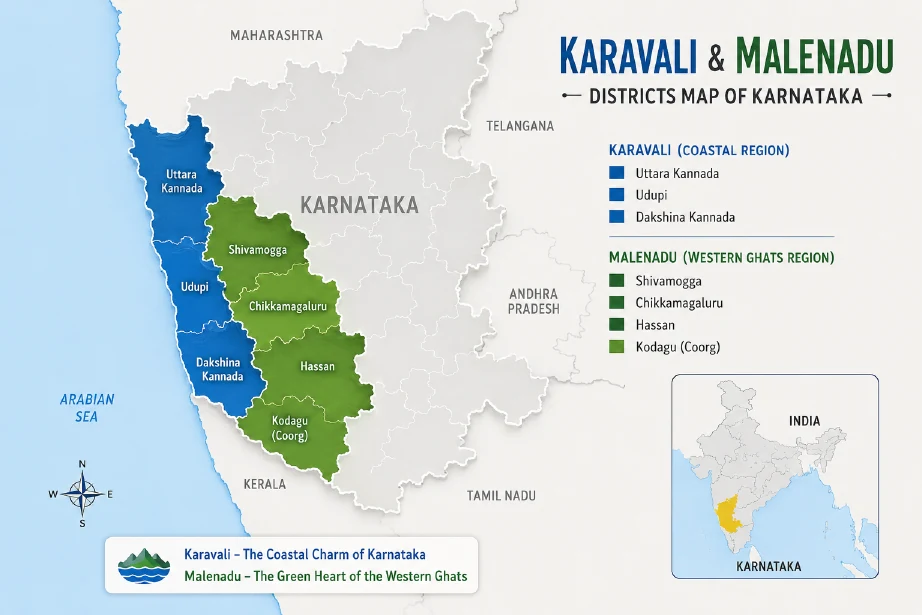
Stakeholders can work together to improve traffic-aware planning, transparent visitor guidance, local sourcing and multi-district connections with Dakshina Kannada, Hassan and Chikkamagaluru.
KMTA can help stakeholders connect across district boundaries, learn from peers and participate in planned regional promotion, knowledge sharing and responsible tourism initiatives. Opportunities will be communicated with clear eligibility and timing when confirmed.
Plan with purpose
Design highland journeys that respect working landscapes
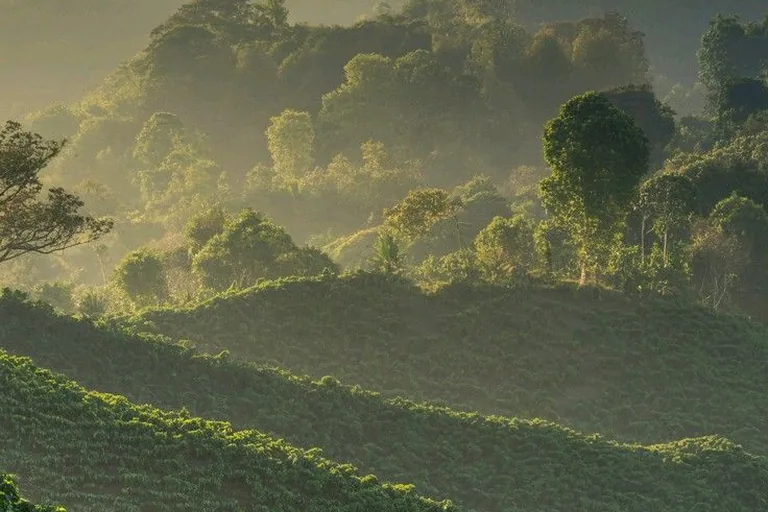
Kodagu’s visitor appeal is closely tied to coffee country, forest edges, misty roads and a strong sense of local identity. These are not simply visual assets. Many are working or privately managed landscapes, so tourism communication must distinguish public access from experiences that require an invitation, booking or local guide.
Businesses can collaborate on itineraries that balance scenic driving with plantation learning, food, town visits and quieter cultural experiences. Clear notes about road time, weather variability and activity difficulty help travellers choose responsibly. During busy periods, flexible scheduling and alternatives can reduce pressure on a small number of well-known stops.
Local hosts are central to a meaningful journey. Their knowledge can help visitors understand cultivation, rainfall, everyday practices and appropriate behaviour near homes or natural areas. Professional interpretation, fair purchasing and careful group sizes can turn a short visit into a more respectful exchange. This supports community benefit while protecting the privacy, safety and landscape character on which the district’s tourism future depends.
A connected local network can make these choices easier. Stays, guides, drivers, producers and restaurants can share updates, recommend complementary experiences and direct demand when one area is busy. The result is a more resilient itinerary and a clearer path for visitor spending to circulate locally.
Consistent pre-arrival advice can further reduce confusion and help guests arrive ready for a considerate, well-paced highland journey.
Continue exploring
Connect Kodagu with nearby districts.
Continue north toward Hassan and Chikkamagaluru, or west toward Dakshina Kannada.
Represent Kodagu with KMTA
Connect your tourism enterprise or professional experience to a seven-district regional network.